Showing posts with label green. Show all posts

Saturday, December 22, 2012

2012 Sencha Kaori & Some Thoughts on “Perfect Teas”


Christmas holiday, finally. At last, I should have enough time to talk about all the interesting teas that have been accumulating on my shelf for quite a while.
Let's start with yet another Katahira – or let's get back to Katahira, to be more accurate. Here's a tea from this great Nunosawa, Shizuoka-based producer I haven't talked about yet – a tea, which is, among his classic Senchas, presumably of the highest grade.


Purchased from Pu-erh.sk quite a while ago, Sencha Kaori was picked in May 2012 and is a blend of four different breeds - 30% Ó Iwase, 30% Meiryoku, 20% Yamanoibuki, 20% Saemidori.
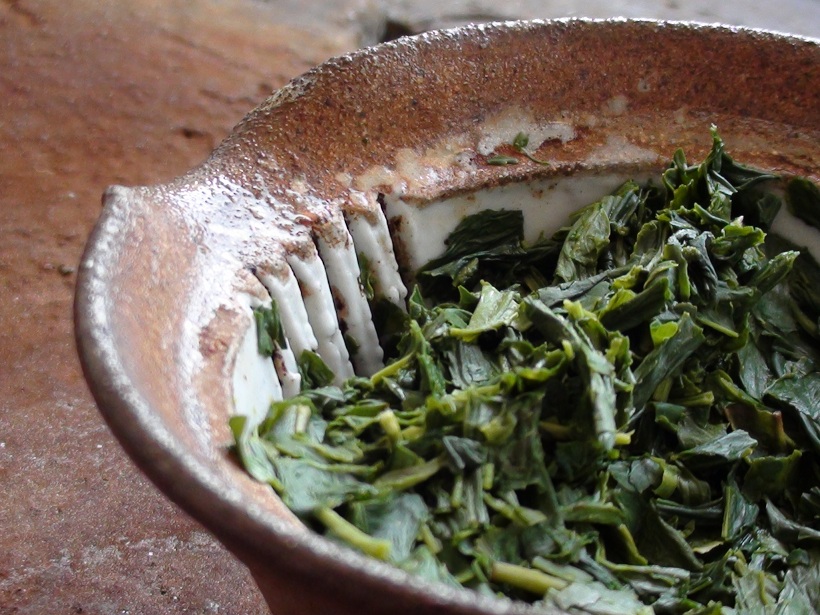
Its leaves are long, light-steamed shiny green needles, very beautiful and obviously processed with great amount of care. They have a sweet, fine smell; one that is fresh, fruity and creamy.


The first infusion is light-yellow in color and gets gradually more opaque as it cools down. Its taste is sweet, very refined, deep and complex – from tones of ripe fruit, such as pears and gooseberries, to sweet cream, milk and vivid umami, almost reminiscent of half-shaded or shaded teas. These notes are continued in a long, mouth-filling aftertaste, again very deep and sweet, though also fresh and very fruity.


The second infusion is yellowish-green in color, very clear and slightly cooler in taste. Again, tones of fruit, sweet cream, umami, deepness and overall refinement. A medium-long aftertaste; slightly lighter than before, more refreshing and, for a second brew, still very sweet without any sharp notes.
Two more infusions are made of these leaves; the third one still a deep, complex brew with sweet fruity and creamy notes, getting just a bit drier in the ending.
The fourth, the final – light green color, a lighter, drier and simpler taste, less deep, though still mostly fruity, creamy and very clear. This taste stays in the mouth for along time, the aftertaste still doesn't get any less refined. All the sweetness and creaminess previously encountered, still not planning to leave. Impressive.  


I've purposely made the taste notes shorter this time to get to the question already mentioned in the name of this post - this tea seems almost perfect. Sometimes I think it's too perfect, actually. There's this thing about such high-grade, traditional Sencha teas, especially the blended ones – they are very refined and good from all points of view, mostly, which, actually, detracts a bit of surprise from the experience. It is important to say that this has nothing to do with quality of tea in any way – it's just a matter of personal preference. I seem to enjoy teas that are able to surprise me, teas that get stuck in my mind for whatever reason more than teas which are just great – in a classic, conservative, traditional way. Just one example, purposely from the same producer – Sencha Tsuyuhikari.
This tea, Sencha Kaori, tastes exactly how it's supposed to taste. Exactly how a Sencha of such a high grade is supposed to taste. There is absolutely nothing wrong with that.
It's just that sometimes I think tea is quite similar to people. When you're around someone who is perfect all the time, there is quite a high chance you are going to get bored.
Of course, these teas are not meant to be consumed every day, so such case probably isn't going to happen.

This is definitely a great tea. Try it, drink it, enjoy it. You won't be disappointed.
You might not be surprised. But, after all, that is not what these teas are meant to do.


Saturday, December 1, 2012

2012 Kabusé Daitsuin


Peter Stanik, the owner of Pu-erh.sk, kindly sent me samples of two new Japanese teas in his offering, teas that seemed interesting just from reading the description – one Sencha and one Kabusecha from Ohira tea estate, a grower who's never sent his teas abroad before. Moreover, grown in mountainous part of Shizuoka – when talking about Japanese teas, elevation of 500-1000 meters above sea level can almost be considered high-mountain.


First, I have decided to try Ohira's Kabuse. This tea has shorter, probably medium-steamed (chumushi) leaves; beautiful shiny, dark green, almost blueish needles. They emit a soft, sweet smell of ripe fruit, flowers and cream.


The preheated Shiboridashi intensifies this aroma. As the water cools down, the first infusion is prepared – transparent, light yellow in color, with a taste that is round, clear and light - lighter than most shaded or half-shaded teas, actually. Tones of grapes, milk, hazelnuts and apple juice. Though light overall, this brew also shows significant amount of umami and warm, creamy sweetness. Long, refined aftertaste; not too strong, not that aggressive, but indeed complex, deep and dominated by green grapes and light sweetness. All this accompanied by a calming effect on mind, again, different from most Kabuse teas – again, quite light, yet perceivable.


The second infusion gains strength as expected. Its color is now green, still transparent and very clear. This brew tastes slightly sharper, though still very light and pure, with strong umami, predominant fruity tone of apples and grapes, followed by creamy sweetness, milk and nuts. The aftertaste is, again, light but long, just a little shorter than before, very pure and with nuances of fresh, green fruit, vanilla and leaves an unexpected feeling, reminding me of pines and conifer forests – a walk in the mountains, almost. I'm always fond of such an effect in Japanese teas.
The third brew keeps the second's green color and returns to the rounder character of the first infusion, though providing less deepness and more of the nutty, spicy tones with slightly weakened sweet, milky notes. Still very pure and light, this brew has a medium-long aftertaste, more mouth filling than before and dominated by vanilla, hazelnuts and apples.


One more infusion is prepared with significantly hotter water; a touch of sweetness, green freshness and spicy, woody simplicity. A warm, satisfying finish.


Sunday, November 18, 2012

2012 Sencha Tsuyuhikari


Yet another Houkouen tea – Houkouen is the name of a company operated by Mr. Katahira, a well-known Shizuoka farmer and producer.
Purchased from Slovak shop Pu-erh.sk, this Sencha is made of a single cultivar – Tsuyuhikari. Again, a classic in Mr. Katahira's offering, Tsuyuhikari is a breed grown mostly in mountainous areas of Shizuoka.


This tea was picked in May 2012 and comes in a form of some really nice, shiny, long green needles. These leaves have a lovely fresh smell with tones of young fruit; this smell seems to be slightly lighter and fresher than that of most Sencha teas by Mr. Katahira (maybe with the exception of Koushun, which I will talk about soon, hopefully).


The first infusion is yellow in color, slightly opaque and has a refreshing, clear taste with tones of green grapes, young peas and overall freshness. This tea is sweet, but not too sweet; also, being as refreshing as it is, its taste is surprisingly deep and refined. It lacks any astringency and instead leaves a long, evolving aftertaste which fills the mouth with fruity coolness, mild sweetness and a very well-balanced amount of light, green freshness.


Just few seconds of brewing for the second infusion; the resulting cup is once again yellow in color, though now more transparent. Its taste is slightly sharper, warmer, dominated by tones of autumnal fruit – apples, mostly. There are also some nutty and slightly spicy tones – and even with all these notes, the freshness is still here, especially in the aftertaste. It feels almost like a surprise – after such a warm brew, the aftertaste feels unusually cool and refreshing. Another part of this tea's interesting character.

The third infusion marks the return of first brew's character, being lighter, almost greenish-yellow in color, transparent and pure in taste with overall lightness, freshness and tones of grapes, pears, young peas and just slight nuttiness. Somehow, this one is the sweetest of all infusions. The following aftertaste: moderately long, mild and refined. Fruit, sweet cream, freshness.


One more brew is prepared. Greenish-yellow, completely transparent, warm in character and quite simple; this is a nice, nutty finish with mild woody and spicy nuances. Warm enough not to leave you cold even on a chilly November day like this.


Sunday, November 4, 2012

2012 Kabuse Okuyutaka


So many teas, so little time! That's pretty much what's been on my mind for the past month or so.
This Kabuse is just one of seven Japanese teas that have been lying on my shelf for quite a long time now, most of them since summer, and more are still coming – not to talk about teas from other countries, as there is quite a lot of them I would like to talk about as well.
Nevermind. Let's just hope I will get more free time in the forthcoming days to cover them all.
This Kabuse (half-shaded) tea is made of Okuyutaka breed and is quite a classic in Mr. Katahira's offering. I purchased it from Slovak shop Pu-erh.sk, operated by Peter Stanik.


Its leaves are typically long needles, shiny and dark-green, with subtle, cultivated smell – vivid sweetness, almonds, cream, milk and raspberries. Much more than that, countless tones of various kinds of fruit, flowers and spices. Such smell already showcases the complexity of this tea.


The water is cooled down for the first infusion, which is light green in color and quite clear and transparent at the beginning, though it gradually becomes opaque as it cools down.
Its taste is very sweet, round and with great amount of umami; a well-balanced experience for tongue with numerous tones – hazelnuts, almonds, raspberries, caramel, sweet cream and a warm character, reminiscent of high-grade Gyokuro. Its aftertaste is a long one, filling the mouth with creamy sweetness for a long time. It has a significant effect on mind as well – at least in my case, this tea helps me to calm down a lot (not in a sleepy way, though), though I've witnessed people saying it has the opposite effect on them, actually giving them a lot of energy (which is logical, considering the fact that Kabuse teas are generally quite high in caffeine).


The second infusion is yellowish-green, almost completely transparent and has a very vivid taste. Even though, it still doesn't show any traces of bitterness or even sharpness – this is one of the “roundest” teas I've recently encountered. This brew is mostly dominated by fruity notes, namely raspberries and a slight hint of sweet, ripe plums. As with the previous infusion, the umami is very strong. So is the nuttiness and sweetness. The aftertaste is once again quite long-lasting and, just as the infusion itself, mostly dominated by various kinds of fruit and overall warmness.
The third brew has a light green color, medium transparency and is slightly sharper in taste, which now possess a mild refreshing side to it as well. This infusion is a bit less deep than the previous two, being mostly fruity, spicy and with shorter, more vivid aftertaste.


One final infusion is made of these leaves, similar in character to the third brew, just a bit flatter and simpler. Nuances of spices, fruit and sharpness. Some nuts, some slight woodiness. Quite a refreshing, nice finish.
In the end, I must say that Mr. Katahira's Okuyutaka Kabusecha has probably been my favorite amongst his teas for a long time – and this year, it seems to have turned out exceptionally well.


Thursday, October 11, 2012

2012 Sencha Kouchi


Another Sencha from Teamountain's offering – this time, a humbler, inexpensive one. Purchased from Slovak shop Nomad, this Yabukita-breed tea comes from a less-known area of Kōchi prefecture, located on Shikoku island – which made me even more curious about it.


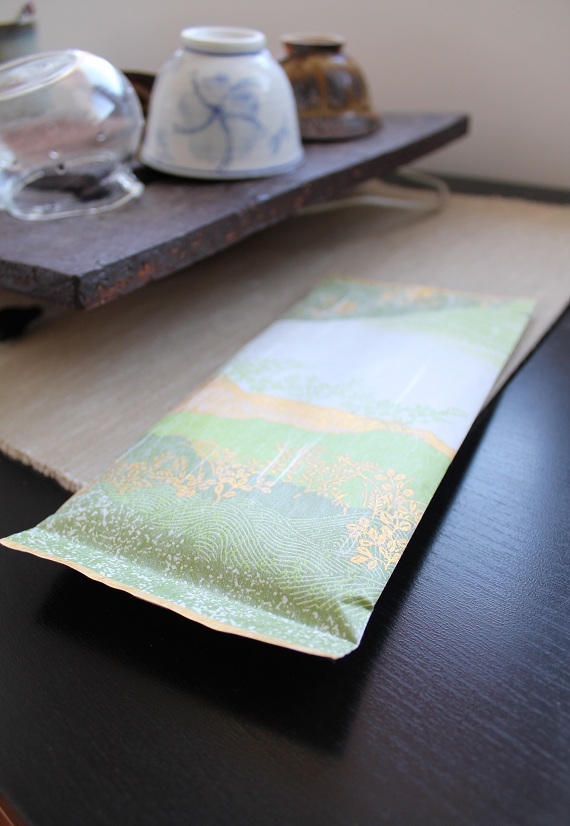
Packed in a typically beautiful golden-yellow bag, its leaves come in a form of surprisingly good-looking, long Asamushi needles. They emit quite a simple, fruity smell with notable freshness.


With such humble tea, humble, simple character is what I expect and desire. This tea fulfills the expectations for a good everyday Sencha – it remains steadily enjoyable during all infusions, having a mostly sweet, well-balanced taste with notes of green grapes, nuts and milk. No traces of bitterness – or anything unpleasant, actually. It leaves an equally simple, sweet aftertaste, which doesn't last too long, but feels pleasant and refreshing nevertheless. One thing worth noting is that its character really seems different – it didn't remind me of teas from Shizuoka, Uji or Kyushu, instead being quite original on its own. It might be interesting to look deeper into tea production of Kōchi, for me a completely unexplored area before this tea (at least as far as I can remember, for my memory isn't always that reliable).


For me, this tea was a nice surprise among this year's offering of inexpensive Japanese teas. This post isn't going to contain any more words, just one sentence to sum it up: it's simple, it's good.


Monday, August 13, 2012

2012 Kabuse Yabukita Midori


This is another tea from Mr. Katahira's farm in Nunosawa, Shizuoka imported by Teamountain that I purchased on my recent visit to Brno's Probuzeny Slon teahouse. A classic tea found in their offering for years, this is a very high-grade Kabusecha made of Yabukita breed that, according to its description, competes in various tea competitions every year.


Its leaves are beautiful – long, uniform dark-green needles that really make this tea attractive on the first sight. Their smell is deep, milky and fruity, quite typical for good half-shaded teas – ripe fruit combined with fresh greenness.


Kabuse teas are ideal for experimenting – they are, after all, on a half way between Sencha and Gyokuro and using different leaf to water ratio and different water temperatures can lead to very different and very interesting results. However, I most commonly prepare them similarly to the way they're made – something between Sencha and Gyokuro, both in the amount of leaves, brewing time and temperature (slightly cooler water than Sencha and slightly smaller amount of leaves than in Gyokuro).
The first infusion prepared this way is light yellow in color, very clear and has a soft, complex taste made of various tones – plums, grapes, milk, nutty sweetness and nuttiness. Vivid umami note mixes with fresh greenness and creates an interesting combination – while the tea itself seems warmer in character thanks to the sweet, 'shaded' nuances, it has a cooling, fresh finish and long, similarly diversified yet complex aftertaste.  


The second infusion is greener in color, stronger in taste and still very sweet in character – I was originally expecting this brew to be more Sencha-like, but instead got another refined, creamy infusion with vivid umami and nutty sweetness. It also feels very heavy on tongue, reminding me of some lighter Gyokuros. The aftertaste may be a bit shorter than before, but still is a strong one with sweet tones of milk, caramel and just a hint of ripe fruit.
The following brew is light-green in color, sharper in taste and now dominated by spicy, fruity notes, though still strong on the sweet side without any trace of bitterness. In a way, it almost reminded me of apple in caramel and cinnamon. These notes are followed by a shorter, simpler aftertaste which is sweet, slightly spicy and nutty.


One more infusion is prepared - a simple, refreshing Sencha-like brew with green, fresh tones, spiciness and slightly drier, woody finish.


Thursday, June 7, 2012

As Spring Evolves Into Summer


My deepest apologies for the recent lack of posts. A lot of fresh teas arrived and are still arriving, our backyard garden is blooming and there is certainly a lot to write about.
Hopefully, I will be able to resume posting in the following days.
Until then, some sun, some leaves.


Wednesday, May 9, 2012

2012 Organic Kagoshima Shincha Saemidori at Avra Kehdabra

(sorry for the blurry photo, it was taken by phone)


It's that time of the year again - I'm at my favorite teahouse in Bratislava, Avra Kehdabra, enjoying first sips of Yuuki-cha's 2012 Organic Kagoshima Shincha Saemidori, for me the first Shincha this year.
So far, it really gives me a feeling that this season is going to be promising!


Sunday, April 15, 2012

2011 Kamimashigun Kamairi Tamaryokucha 3rd Prize Winner


Following the previously mentioned competition grade Gyokuro, here is one more tea that competed at the All National Tea Competition of Japan, this time even getting the third prize with 185 points out of 200. Picked in Kamimashigun, Kumamoto, it was imported to Europe by Teamountain and sold in Slovakia by Nomad.sk, from which I got my bag quite a while ago, though I hadn't had enough time to talk about it back then.

As the name suggests, it is a traditional, pan-roasted (kamairi) tea from Ichibancha, the first picking and most likely the Yabukita cultivar.


Packed in a design typical for most higher-grade Teamountain offerings, these are some beautiful, uniform and curly leaves with dark-green shine.

Their smell is typically sweet and creamy, though there is one thing distinguishing it from most Kamairi teas – it's less nutty and caramel-like than the majority of these teas, instead taking on a more vegetal, “lighter” side of aroma.


The first infusion is faithful to this smell – light-yellow in color and transparent (though getting a bit opaque as it cools down), its taste is somewhat drier and lighter than what I'm used to. Even so, most typical Kamairicha tones are vivid – almonds, hazelnuts, creamy sweetness and noble softness with significant amount of umami. The taste is pleasantly refreshing, not too juicy and fruity, but very pure and complex – same goes for aftertaste, which is light, but intense enough to remain in mouth for a long time.

The second infusion is poured down immediately, with the resulting brew being yellow, more aromatic and with fruitier taste – reminded me of honeydew melon and blackberries. This brew is a bit heavier than the previous, though still quite sweet and nutty. Its aftertaste is also less light and significantly more mouthfilling, dominated by fruity notes and slight sharpness.

The following infusion is the greenest of all in terms of color; its taste is now much nuttier, being very reminiscent of hazelnuts and almonds. The previously strong fruity tones are now weakened; this brew fully shows the drier side of this tea's character. Still it doesn't show any unpleasant tones and remains very complex and pure – same goes for the aftertaste, which is shorter and warmer than before.


One more brew is made of these leaves; yellow and transparent, quite woody, simple and refreshing with just medium-long aftertaste.


Saturday, April 7, 2012

Whole Spring, One Tall Glass


2012 Yunnan Gao Shan Cui Ming.
Only now I realize how much I missed watching the young leaves; how I missed their dancing in the glass.
Happy Easter and beautiful spring to everyone!


Thursday, April 5, 2012

2011 Gyokuro Gokoh Competition Grade


As I'm gradually finishing drinking last season's teas (and fresh Chinese greens are quickly arriving), there are still at least two extraordinary greens I would like to talk about. Both of them competed in 2011 All National Tea Competition of Japan – the first of them is this Gyokuro.

Made of Gokoh cultivar, it comes from the famous Gyokuro-producing region of Yame in Fukuoka prefecture of southern Japan. Teamountain imported this tea to Europe - and I have purchased it from Slovak shop Nomad.sk few months ago.


I had a chance to drink Competition grade of Gyokuro Gokoh from Teamountain in 2010 as well – see here for a detailed post. However, it is clear on first sight that these two are very different teas – compared to the 2010 version, the 2011 has shorter, smaller leaves, probably a result of deeper steaming. This doesn't take any of the attractiveness these leaves possess - dark-green, shiny and uniform little needles, with beautiful, deep and creamy sweet smell.


Prepared in a traditional manner, big amount of leaves is brewed in very small amount of lukewarm water for a long time. The resulting infusion is yellow in color, opaque and very thick in both smell and taste – there are countless tones in these, from the predominant rich umami to milky sweetness, cream, wild berries and slight undertone of hazelnuts. Despite its typically warm and heavy character, it seems fresher than most traditional Gyokuro teas, especially thanks to the very mild, but still detectable herbal (especially mint) and green nuance – makes drinking this tea on a sunny spring day even more enjoyable. Its aftertaste is long, heavy and mouthfilling, with all of the deepest tones found this tea's taste now even more vivid. It also has a significant effect on mind and body, awakening the senses with its high amount of caffeine concentrated in thick, oily brew – similarly to most good Gyokuro teas, this is a great drink when one really needs to concentrate and stay relaxed at the same time.


One more infusion is made of these leaves with slightly warmer water; the resulting liquid is green and more transparent. Its taste is just a little bit lighter, greener and more refreshing, while it still keeps the rich, creamy sweetness, umami and depth. This infusion once again shows that this Gyokuro Gokoh is slightly more on the vegetal, green side instead of the ripe-fruit character so often found in such traditional high-grade teas – I must say I enjoy this not-so expected character, for a change. Even so, the tea still managed to keep its very traditional, warm character.

The aftertaste of this infusion is long; it might be shorter than before, but still long enough to stay on tongue - even hours after the session.


Tuesday, April 3, 2012

Another


April, this year's new

tea greeted my soundless lips -

vanishing worries


Friday, March 2, 2012

Awaiting the Season with 2011 Sencha Yabukita Miyazaki


Seems like the spring is already beginning here in the middle of Europe. For the last week or so, we've been enjoying mild, awakening sun and and pleasant temperatures, allowing us to stay outside more than before. This weather naturally also awakens my desire for fresh, spring green teas – these aren't available yet, though, but luckily, there still are some last year's green remains worth drinking before the season begins.

The tea I'm going to talk about today is an inexpensive one; from Teamountain's regular offering. It originates in Miyazaki prefecture of Kyushu island, is made of first flush Yabukita leaves and is medium-steamed (chumushi). What distinguishes it from most regular Sencha teas is the fact that this one was shaded for a few days before picking, putting it somehow on a halfway between Sencha and Kabusecha.


The appearance of these leaves seems to correspond with its chumushi processing – there are some longer needles, though most of them are quite short. Other than that, they are shiny, ranging from light to dark-green and with very sweet, fruity and almost caramel-like smell, somehow unusual for Sencha - I suppose this is a result of shading.


The first infusion is lively green in color, very clear and smells even sweeter than the dry leaves. Its taste, though, is quite different – very refreshing, light and not so sweet, with mild tones of nuts, slight spiciness and fruit – though, in this case, as opposed to the smell which reminded me of ripe fruit, in taste it's something young and refreshing. The aftertaste is medium-long, pleasantly mild and made of various nuances; hazelnuts, caramel and white grapes.

The second infusion is brewed with slightly hotter water and has a bit more opaque green appearance and sweet smell. This time, the taste is sharper, greener and even more refreshing than before, though I've noticed one thing while drinking this brew – while refreshing, this tea lacks the cooling character many Sencha teas have, especially during spring and summer. Instead, this one feels warmer, nuttier and even a little bit roasty. Once again, I think this might be a result of shading – and it indeed ads to the tea's unusual character. The aftertaste is very long, full, fruity and nutty with enhanced sweetness, when compared to the previous brew.


In terms of color, the third infusion is similar to the first, being light green and transparent. Its taste is crispy, nutty and roasty; compared to previous brews, it lacks most of the refreshing tones. Now, the main tone seems to be reminiscent of freshly baked bread, slightly sweet and mouthfilling. The aftertaste is shorter, though still very pleasant and offers the former sweet, caramel-like and ripe-fruit tones, mainly of plums.

One more infusion is prepared with significantly hotter water; its clear, light-green brew gives simple, slightly woody and roasty taste and quite a warm overall feeling.


This everyday Sencha is one of the teas making my wait for first teas of 2012 at least a little bit easier. I'm quickly running out of it, though; but then, it's already March, the sun is shining and fresh Chinese greens are soon to be seen (and tasted), I believe.


Tuesday, January 31, 2012

2011 Kim Jong Yeol's Jungjak Nokcha Butea


This sample was kindly sent along with my last order from Slovak shop Nomad.sk. It really made me happy – my previous encounters with Kim Jong Yeol's teas (such as this Balhyocha) were really an unusual experiences and of the four of his teas imported to Europe by Teamountain, this Jungjak (third picking) was the only green I haven't had a chance to try yet.

And since this sunny, windless day seemed ideal for such a tea, I have decided to give it a try now.

This tea originates in Yonggang-Ri, Hwagae-myeon, Gyeongnam – Hwagae Valley and was completely hand-picked and hand-made during the second week of May from 20 years old, wild tea trees.


The leaves are very good-looking; just slightly larger than those of Saejak (second picking) grade, curly and range from light, yellow-green to almost blueish in color. Their smell is very sweet, floral and, even quite a long time after the picking, still fresh. The preheated teapot enhances these sweet and pine-like fresh tones and reveals more, especially the roasted smell of bread.


The first infusion is light-green in color and just as light in taste, though, at the same time, very complex. Mainly dominated by gentle, flowery sweetness and tones of various fruit – pears and grapes, these notes are followed by once again very sweet, bread-like roastiness and pine-like freshness, which is, however, less vivid than in smell of the dry leaves. The aftertaste of this brew is mouth-filling, quite long and nutty-sweet.

The second infusion has a lively green color, is very clear and its most pronounced tone seems to be that of the roasted, sweet bread. Most of the former freshness is missing in this infusion, being replaced by complex, full tones of nuts, pears and berries. The following aftertaste is stronger than that of the previous infusion, once again quite roasty and bread-like, pleasantly remaining on tongue for a very long time.


The third and fourth infusions are somehow similar in character, being clear, lively green in color and still dominated by the sweet roasted tones of bread, which are now somehow finer than in the second infusion, where it reached the peak of its strength. These brews are creamy, nutty and complex, light and deep at the same time. Their aftertaste is moderately long, sweet and mouth-filling.

Few more brews are made of these leaves; gradually getting lighter, drier and less complex. Its main tones are nuts and bread, followed by remains of fruity sweetness and creaminess.


This tea, similarly to most of Korean green teas I've encountered so far, has a remarkable, almost meditative effect on my mind, putting it into a concentrated, but very calm state at the same time. This is one of the things I am most fond of in Korean teas and why I am always very glad to have a chance to try one.

So thanks again, for an opportunity to drink yet another of master Kim Jong Yeol's teas, which always seem to leave a memory of extraordinary session in my mind. Even now, when this green isn't in its freshest state anymore.