Showing posts with label Tamaryokucha. Show all posts

Sunday, April 15, 2012

2011 Kamimashigun Kamairi Tamaryokucha 3rd Prize Winner


Following the previously mentioned competition grade Gyokuro, here is one more tea that competed at the All National Tea Competition of Japan, this time even getting the third prize with 185 points out of 200. Picked in Kamimashigun, Kumamoto, it was imported to Europe by Teamountain and sold in Slovakia by Nomad.sk, from which I got my bag quite a while ago, though I hadn't had enough time to talk about it back then.

As the name suggests, it is a traditional, pan-roasted (kamairi) tea from Ichibancha, the first picking and most likely the Yabukita cultivar.


Packed in a design typical for most higher-grade Teamountain offerings, these are some beautiful, uniform and curly leaves with dark-green shine.

Their smell is typically sweet and creamy, though there is one thing distinguishing it from most Kamairi teas – it's less nutty and caramel-like than the majority of these teas, instead taking on a more vegetal, “lighter” side of aroma.


The first infusion is faithful to this smell – light-yellow in color and transparent (though getting a bit opaque as it cools down), its taste is somewhat drier and lighter than what I'm used to. Even so, most typical Kamairicha tones are vivid – almonds, hazelnuts, creamy sweetness and noble softness with significant amount of umami. The taste is pleasantly refreshing, not too juicy and fruity, but very pure and complex – same goes for aftertaste, which is light, but intense enough to remain in mouth for a long time.

The second infusion is poured down immediately, with the resulting brew being yellow, more aromatic and with fruitier taste – reminded me of honeydew melon and blackberries. This brew is a bit heavier than the previous, though still quite sweet and nutty. Its aftertaste is also less light and significantly more mouthfilling, dominated by fruity notes and slight sharpness.

The following infusion is the greenest of all in terms of color; its taste is now much nuttier, being very reminiscent of hazelnuts and almonds. The previously strong fruity tones are now weakened; this brew fully shows the drier side of this tea's character. Still it doesn't show any unpleasant tones and remains very complex and pure – same goes for the aftertaste, which is shorter and warmer than before.


One more brew is made of these leaves; yellow and transparent, quite woody, simple and refreshing with just medium-long aftertaste.


Wednesday, September 7, 2011

2011 Ureshino Kamairi Tamaryokucha


I've been traveling quite a lot during the second half of august and, luckily for me, had enough time to drink teas at such amazing places as a meadow inside a pine forest, surrounded only by green hills and a couple of good friends. Originally, I intended to take some photos of these sessions and share them on this blog, but I ended up just enjoying these moments and surroundings, documenting them only with my own eyes and mind. Looking back, I think it was a good decision.

Meanwhile, new teas arrived – thanks to their preciseness, Nomad.sk started offering some fresh Teamountain teas to Slovak tea-lovers almost immediately after they were listed available on TM website.

This year, Teamountain's Japanese teas arrived significantly later than usual – caused mainly by the Earthquake and its consequences and the fact that big part of their offering used to consist of Shizuoka teas from Mr. Katahira's farm, which, unfortunately, they decided not to sell this year. However, first wave of these teas is finally here and, so far, it seems like it really was worth the wait.


This Kamairicha from Ureshino has been a stable part of Teamountain offering for quite a few years and it's the most basic Tamaryokucha they offer – this being said, it still is a high-grade, hand-roasted tea made of Yabukita cultivar.

Its dry leaves are a bit less uniform than those of competition grades of this type of tea; even though, they are good-looking, curly and vivid green in color. They emit a strong smell, which is soft, fresh and a bit nutty.


The first infusion is light green in color, transparent and very aromatic. Its taste is similar to the smell in a way that it is vivid and soft at the same time, being milky, fruity, very nutty and sweet with fine umami tone. Almonds and sweetness are the dominant tones in aftertaste, which isn't long, but very pleasant nonetheless. This brew also seems to have nice, gentle awakening effect on mind, making it calm, simple and yet sharp, just as the tea itself.

The second infusion is poured off immediately as the water touches the leaves and is lively green and a bit opaque. Being more mouth-filling and pronounced than the previous brew, it's dominated by notes of fruity sweetness and umami, followed by unusually fresh, cooling feel on tongue and a roasty, nutty touch in aftertaste, which is now longer and sharper.

Similar intensive green color shows up as the third infusion is prepared, now a bit less sweet and more refreshing and sharp, reminding me of freshly picked young green apples. The nutty tones of almonds and hazelnuts as well as the previously vivid umami are still detectable, though they now seem to be quite covered over by the fruity, fresh character.


One more infusion is prepared with freshly boiled water, cooled only for a very short amount of time. It shows the complete departure of former sweetness and milkiness, being sharp, refreshing and a bit astringent. The aftertaste is simple, having the same pronounced character as this infusion's taste.


Judging from this humble, pleasant Kamairicha, this is a promising year for Ureshino. I'm looking forward to encountering other teas from this region soon – hopefully also the competition grades of Tamaryokucha, which I really grew quite keen of during the last season.


Wednesday, April 20, 2011

2010 Shupping Mushisei Tamaryokucha Competition Grade


With long sunny days and temperatures higher than 20ºC almost everyday, I can finally enjoy Japanese green teas as much as I generally do in summer and autumn. Yesterday, I've already placed an order for my first 2011 Shincha (yes, I am going to drink this year's Japanese teas, despite of recent events) and can't wait for it – but until then, there is still quite a lot of interesting 2010 teas I haven't talked about yet.

This Tamaryokucha is one of them. Purchased quite a while ago in Slovak shop Nomad (though, being originally imported by Czech Teamountain, it carries the original TM label), it originates in Kumamoto province of southern Japan and is made of Sayamakaori cultivar. This specification – as well as the package – may seem very similar to the priced Kamairi Tamaryokucha I talked about in December – both of these teas attended the same National Tea Competition of Japan and are of similar grade (this one scoring 149 points there), yet there is a significant difference between them.

Those fond of Tamaryokucha can probably already tell the difference from names of these teas – Kamairi means that the tea was roasted and shaped instead of steaming to stop oxidation similarly to Chinese greens, while Mushisei teas, just like the one I'm going to talk about today, are steamed, shaped and may or may not then be roasted additionally.


Incredibly fresh smell comes out of the package right as it's opened – properly stored Japanese green teas can stay fresh for quite a long time, even almost a year after production. This scent is very fruity, buttery, sweet and, compared to its Kamairi counterpart, less nutty and more juicy.

In terms of appearance, these leaves fulfill the expectations for high grade Tamaryokucha, being curly, dark-green and shiny.


As the water gets quite cool, the first infusion is prepared – pale, jade-green and transparent in appearance, smooth and refined in taste with a lot of various tones, most of which are reminiscent of different kinds of fruit. The overall feeling on tongue is buttery, strong yet harmonic and finishing in a long, sweet aftertaste, quite milky and, once again, fruity.

The second infusion is already a bit more vivid in color, which is now yellowish-green yet still very clear; predictably, the taste and smell also gained on intensity, now being less buttery and milky and even more fruity with predominant tones of peaches and canary melon. The aftertaste is a quite mouth-filling and strong, though a bit shorter than after the first brew.

The third infusion is green in color and has quite similar taste to the second one – however, it also reveals some new tones, especially slight spiciness and a hint of woodiness in aftertaste, marking that the next infusion is going to be the last one.

Prepared with quite hot water and extended time, the last brew is a spicy, decent finish to this mild, refined green tea, still showing some of its original pleasant fruity notes and lively freshness.


One of the ways to distinguish Mushisei from Kamairi Tamaryokucha is examining the spent leaves – steamed leaves tend to be softer, lighter green in color and a bit more fragmented than roasted – this tea is no exception.


Wednesday, December 8, 2010

2010 Kamairi Tamaryokucha 2nd Prize Winner


Apart from Kuchikiri no Gi, autumn also seems to be the time of tea competitions in Japan, biggest and most prestigious of which is the National Tea Competition. This nationwide contest is organized into categories such as Sencha, Fukamushicha, Gyokuro and Tamaryokucha.

This year, we were lucky to see that Martin Špimr of Teamountain once again managed to bring some extraordinary teas from this competition to our region, one of which is this Tamaryokucha.

Made of Yabukita breed, it comes from Kumamoto prefecture of southern Japan and is of Kamairi type, which means that it was roasted instead of being steamed (Mushisei). With a score of 192 points (out of 200.?), this tea was awarded the second prize.


After opening the package which is typically beautiful in its elegant simplicity, wonderfully uniform, plastic dark-green leaves are added into the preheated Shiboridashi.

They gently, yet intensely smell of almonds, hazelnuts and fruit with slightly roasted nuance, reminding me of this year's Ureshino Tokunaga Seicha Tamaryokucha a bit. Though this tea maintains its original character, it shares the basic notes typical for high-grade Tamaryokucha.


The first infusion is then prepared with water cooled down for a while and sipped from the newest members of my tea-ware family – two little cups made by Petr Novák purchased from Slovak shop Nomad.sk, which arrived to my place today. This brew is pure, light yellow in color and expectably has the slight typical opaqueness. While not losing the roasted nuance, its taste is buttery, milky, sweet and deep with vivid umami note and numerous tones of fruit, nuts and almonds. The aftertaste is mild, yet rich and mouth-filling.


Slightly higher temperature water and shorter brewing time is used to prepare the second infusion, resulting in a yellowish, more aromatic infusion, taste of which is sharper than that of the first infusion, rich, milky and nutty with warm character. This brew is less fruity and more buttery than the first infusion, followed by long aftertaste, still lingering on tongue as the third infusion is prepared.

The third infusion maintains the sweet, buttery character of previous, being significantly less sharp; instead, it's milder; just like a harmonic, complex fruity nectar, enriched by still vivid tones of almonds, hazelnuts and milk. Its overall character as well as the aftertaste is very similar to that of the first infusion, which also seems to be quite a typical characteristic of good Kamairi Tamaryokucha.


Two more infusions are prepared with quite hot water, showing a loss of buttery, milky sweetness and umami, which are now replaced by woodsiness, last leftovers of fruitiness and vivid, though still not intruding sharpness and aftertaste which is humble and pleasant even after many brews, just as this beautiful tea itself.


Sunday, October 3, 2010

2010 Ureshino Tamacha


Autumn is already in its full-strength in Slovakia, expressing itself by rainy, windy days and cold nights. Even though this definitely isn’t the best possible weather for green tea with all of its freshness, I’m going to continue posting about these teas, though I also drink significantly higher amount of oolongs and teas with warmer character in general these days.

Still, I won’t give up Japanese green tea just because of autumn and winter (Moreover, Kuchikiri no Gi took place today, so it's somehow even seasonable).

Tamacha comes from Ichibancha harvest, picked around the town of Ureshino in Saga prefecture of southern Japan. It’s quite a novelty and one of those lesser-known, untraditional teas, brought to Czech Republic by Teamountain. Last year, I had a chance to try it as well and I really enjoyed its pleasant simplicity – something I’m also expecting of this year’s version.


Most obvious difference from all other Japanese teas can be noticed on the shape of dry leaves, majority of which have a form of small, hard dark-green balls, slightly reminiscent of lighter Taiwanese oolongs. Apart from these, there is also a significant amount of “non-ball” leaves, which are quite curly and similar to typical Tamaryokucha, proving that Tamacha is pan-processed.

This tea gently smells of sweet almonds, combined with fresh fruit, particularly white grapes. Adding these leaves into the preheated Shiboridashi, this smell slightly intensifies, though it still isn’t that deep, massive aroma which can be found in some (mostly Fukamushi) teas, but instead a subtle, delicate and enjoyable scent.


First infusion is very light and transparent in color as well as the taste, which is soft, light and humble yet very harmonic. It lacks the deeper tones often found in higher grade teas, though in this case, it definitely isn’t a minus.

Second infusion is already a bit more intense in taste and color, result of the way Tamacha is processed – being curled into small balls, which gradually, yet slowly unroll during the infusions. It tastes of almonds, hazelnuts and, most surprisingly, raspberries.

In contrast to other Japanese green teas, third infusion is the most flavorful of all, as all the balls are now unrolled, ready to get out everything they have. It maintains its nutty and fruity character, being followed by mild, yet noticeable milky aftertaste.

Fourth infusion is a bit harsher than the third one, but it still maintains all of its pleasant, light tones.


This tea is also taken into fifth infusion, which reveals more roasted, bread-like character of its taste, somehow typical for latter brews of Tamaryokucha.

Similarly to last year’s version, this is a simple, yet complex untraditional tea, being much lighter and literally less heavy than most Japanese green tea. It’s refreshing, enjoyable and, being really inexpensive, has much more to offer than the price can imply.


Saturday, August 28, 2010

Tea in Liptov


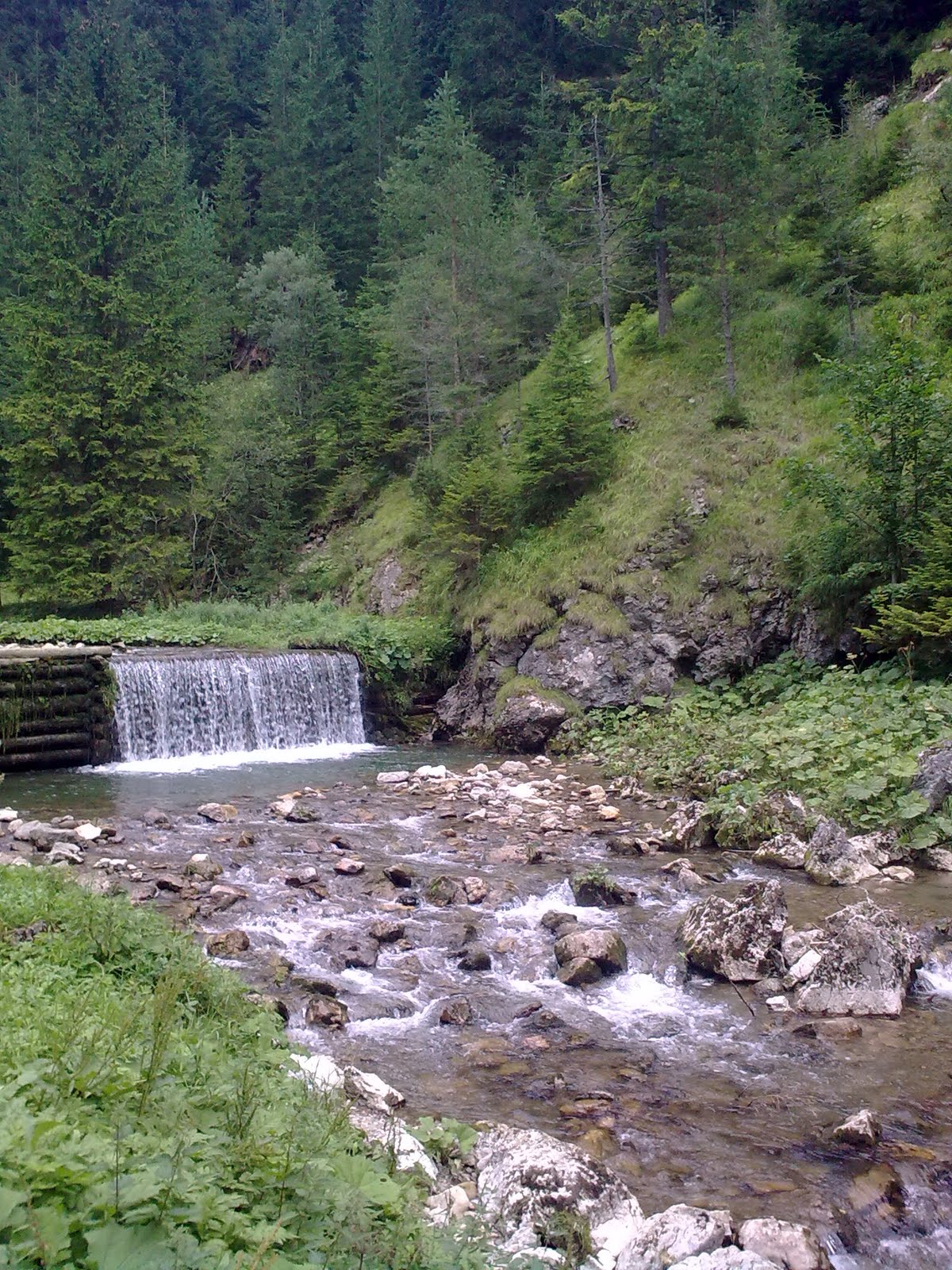
As I have already said in my previous post, I spent five days out of the city, in a beautiful region of Liptov in northern Slovakia, just close to High Tatras mountains - surrounded only by nature and good friends.
This is going to be a picture post rather than informative, as I have this strong need to share at least a bit of atmosphere of this wonderful place.


photo by Martin Hatala, a friend of mine


First day, I found my favorite spot for tea drinking - quite a big grass-field, located on small hill. This is the look-out from this grass-field, draped in morning mist.


There is nothing better than good Japanese tea, consumed in a place like this.


Lying in the grass, just with tea, sun, breeze and silence.


Just a few minutes of walk from the place when we resided, you would find Kvačianska valley. There were few traditional Slovak wooden houses in this place, including historical water-mill.


Friday, July 23, 2010

2010 Tokunaga Seicha Ureshino Tamaryokucha


Weather outside is literally unendurable. Temperature is reaching 35 degrees everyday for whole week, air is extremely sultry even in late night hours and almost unbreathable. Luckily, this is supposed to end tomorrow and the temperature is, according to the weather forecast, going to fall on 21 degrees. I can't wish for more, to tell the true. Even all the flowers outside are burnt by the sun and dying from an absolute lack of rain.

This tea was kindly sent by Mike of Karatsu pots, along with two of his beautiful teacups. One of these got unfortunately damaged on its way around the world, so I glued it up the best I was able to and will probably use it as a small vase on my tea tray, or just as a very nice decoration.

Tea was made by Tokunaga Seicha, producer from Ureshino, Kyushu. Ureshino is well known over the world for its Tamaryokucha, though the offering of these teas is quite limited around here – even though there are few Ureshino teas available every year, most Tamaryokucha on Czech and Slovak market comes, for some reason, from Uji and Shizuoka and therefore are different in character.


Dry leaves are quite small, curled, dark green, glossy and overall seem to be of very high quality. Smell is very vivid; deep, sweet, intensively nutty and a bit roasted – typical for good, fresh Tamaryokucha.

This tea is prepared in a small kyusu and drank from cup made by Mike, as it goes perfectly with character of this tea.


the second infusion.

Fist infusion is yellow in color, being brewed according to Mike’s instructions with water far below the boiling point and longer infusion time. I generally prefer to prepare Japanese teas like this, as this method gets out that milky, creamy taste I adore so much.

Taste of this infusion is very deep, intensive and with noble tones of almond and something like forest fruit.

Second infusion is poured off immediately, as its color is already deep green and opaque. This brew is surprisingly very different from previous one, with distinct umami taste, more typical for Gyokuro - making this tea even more interesting.

Third infusion is also dark green in color and fruity in taste, though the creamy tones are less vivid and the aftertaste and general feeling of this brew is somehow lighter, though more refreshing.


Fourth infusion is prepared with freshly boiled water and left in a teapot for quite a long time. It also is the last infusion, as the tea already got out all of its charm.

Overall, this was a very pleasant tea, quite unique even for a Japanese green tea - in a positive way. I will probably seek more teas from Ureshino and Kyushu in general from now on, as they are great alternative to teas from Uji and Shizuoka, being really markedly different in character.

Thanks once again for your kindness and an opportunity to try this tea, Mike.


In the end, this is a detail of bottom side of a teacup I drank from. In a moment of boredom I had yesterday, I added characters for "Karatsu-yaki" - correct me if these are wrong.
I enjoy the earthy, natural look of this cup and am looking forward to see how will the inner glaze of it change as the time goes by - that, to me, is a true charm of this style of teaware.